
Vaman Karma in Spring: A Blessing for the Body
Vasantik Vaman (Ideal Time: February 18 to March 20, 2026)
Looking at the body's condition during the current Spring (Vasant) season, there is a natural aggravation of Kapha Dosha.
Changes in Body Doshas During Spring:
During this season, the sun's rays become stronger, signaling the beginning of warmth in the environment. Just as frozen ice melts in a warm climate, the Kapha accumulated in the body during winter begins to liquefy due to the heat of Spring.
As a result, many people experience a Kapha imbalance leading to symptoms such as colds, coughs, indigestion, nausea, and acidity.
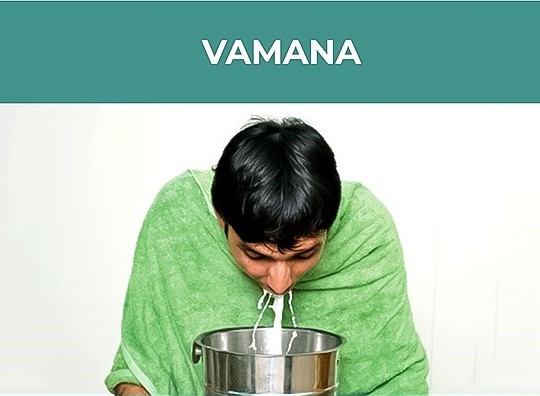
What is Vaman Karma? Why should it be done?
Vaman is one of the five primary procedures under Panchakarma. Panchakarma includes:
- 1. Vaman (Therapeutic Emesis)
- 2. Virechan (Purgation)
- 3. Basti (Enema Therapy)
- 4. Nasya (Nasal Administration)
- 5. Raktamokshana (Bloodletting)
Panchakarma is an essential and inseparable part of Ayurvedic treatment. Today’s irregular lifestyle—in terms of both diet and routine—combined with low food quality and environmental pollution, has a severe impact on the body. This leads to an increase in toxins (Amavisha), which disturbs the natural balance of the Doshas. If these toxins are not removed in time, they cause various diseases. To stay healthy, it is vital to maintain Vata, Pitta, and Kapha in their natural, balanced state.
Why is Vaman Karma most beneficial in Spring?
Panchakarma can be performed by both healthy individuals and those suffering from illnesses. While a patient can undergo treatment in any season, it is most beneficial for a healthy person to undergo Panchakarma during the natural period of Dosha aggravation. As Kapha naturally increases in Spring, it is much easier to expel these vitiated humors from the body during this time.
Vaman is highly effective not only for Kapha-related disorders but also for combined Kapha and Pitta ailments.
The Vaman Process:
- 1. Preparation: Initially, a 3-day fast is observed (Dry ginger water can be taken if hungry or thirsty).
- 2. Snehapana: For the next 7 days, medicated ghee is administered in increasing doses at sunrise.
- 3. Abhyanga-Swedan: This is followed by two days of massage and steam therapy. This process liquefies the toxins spread throughout the body and brings them toward the stomach (digestive tract).
- 4. The Procedure: These toxins are then expelled through the mouth via controlled therapeutic vomiting (Vaman).
- 5. Post-Procedure (Samsarjana Krama): After the procedure, the individual follows a specific graduated diet for a set period.
This entire process provides a deep detoxification of the body, which is essential for maintaining long-term health.
Note: Panchakarma should only be performed under the expert supervision of an Ayurvedic Physician (Ayurvedacharya).
Benefits of Vaman Karma:
- Boosting Immunity
- Improving and maintaining overall health
- Anti-aging and longevity
- Improving skin complexion and glow
- Enhancing intellectual capacity
- Preparing the body for healthy progeny
- Treatment of chronic and stubborn diseases:
- Chronic Colds & Respiratory issues
- Indigestion & Digestive disorders
- Severe Acidity
- Body Odor
- Obesity
- Infertility
- Thyroid issues
- Migraine
- PCOD and other gynecological disorders